
Scholar-reviewed halal guide
Is Your Food Really Halal?
Discover hidden haram ingredients in everyday foods. Get expert Islamic guidance on halal food backed by scholarly research for Muslims worldwide, especially in non-Muslim-majority countries.
Mufti-Reviewed
Checked before publishing
Source Cited
Quran, Hadith & fiqh texts
Madhhab Views
All four schools explained
Country-Specific
US, UK, Canada & more
Quick Halal Verdicts
The ingredients Muslims ask about most, answered at a glance.
Red 40
✓ HalalSynthetic, petroleum-based dye with no animal or alcohol inputs.
Gelatin
! DependsDepends on the animal source and how it was processed.
Carmine (E120)
! DependsMade from cochineal insects; rulings vary across the madhhabs.
Lard
✕ HaramRendered pork fat. Haram according to all four madhhabs.
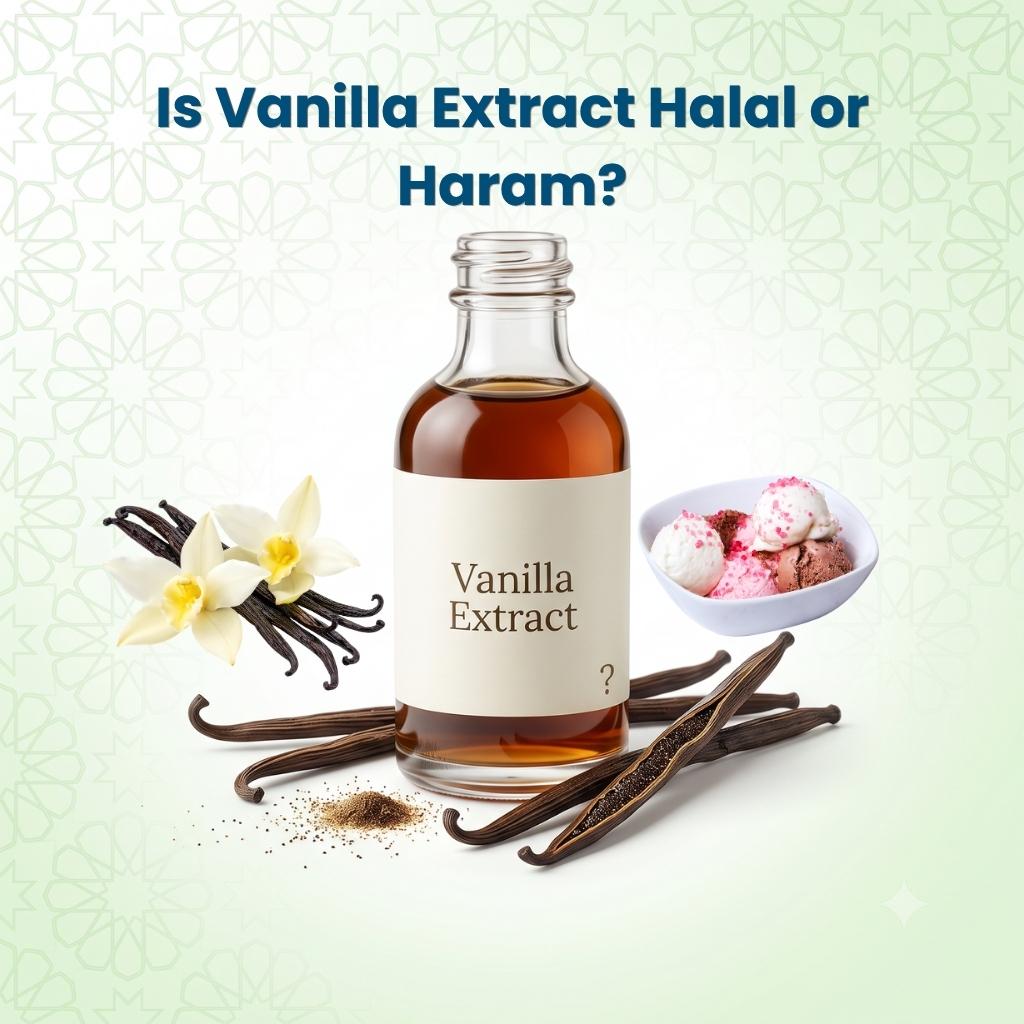
Vanilla Extract
! DependsPure extract is made with alcohol; the ruling depends on source and use.
Soy Sauce
! DependsBrewing can produce alcohol; check the brand and its certification.
Agar-Agar
✓ HalalA plant-based gelling agent made from seaweed.
Marshmallows
! DependsMost contain gelatin; look for beef, fish or plant-based versions.
Browse by Category
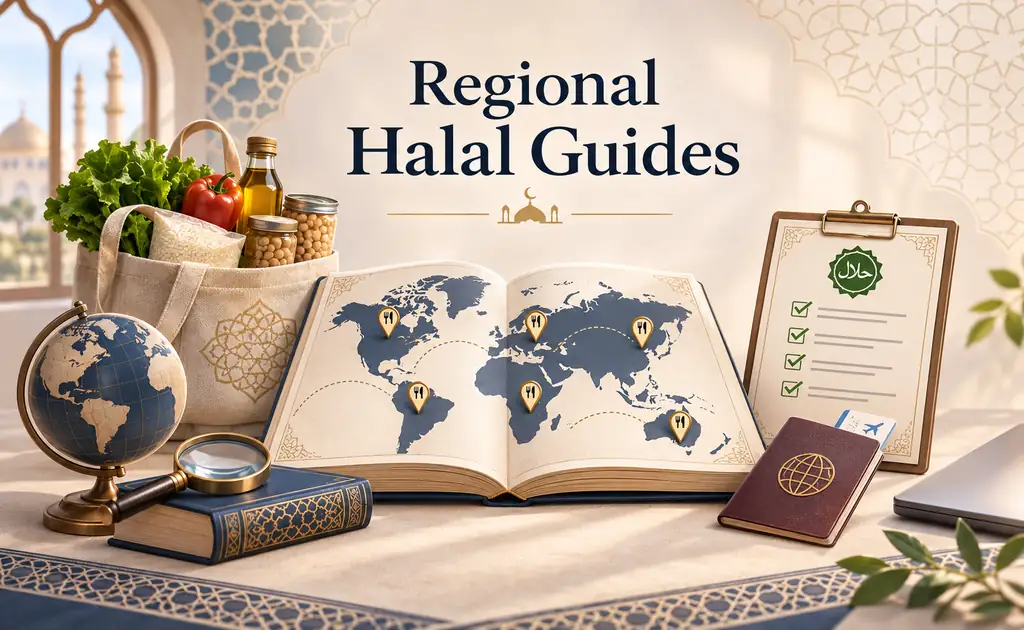
Country-specific halal guides covering certification bodies, local food risks, and trustworthy shopping options worldwide.
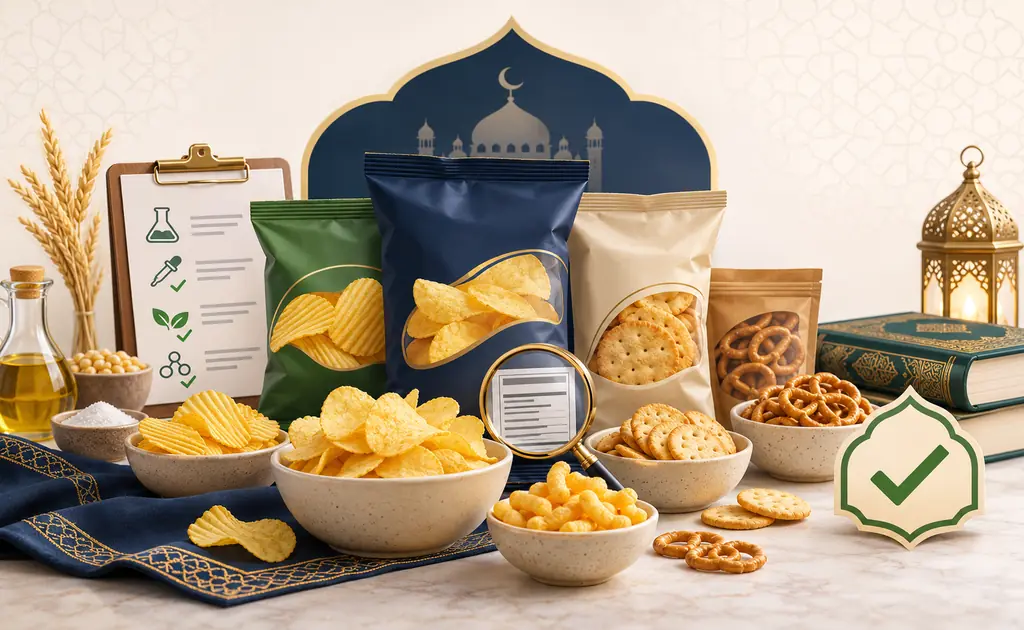
Halal ingredient reviews of chips, crackers, and packaged snacks, focusing on flavoring agents, enzymes, and additives.
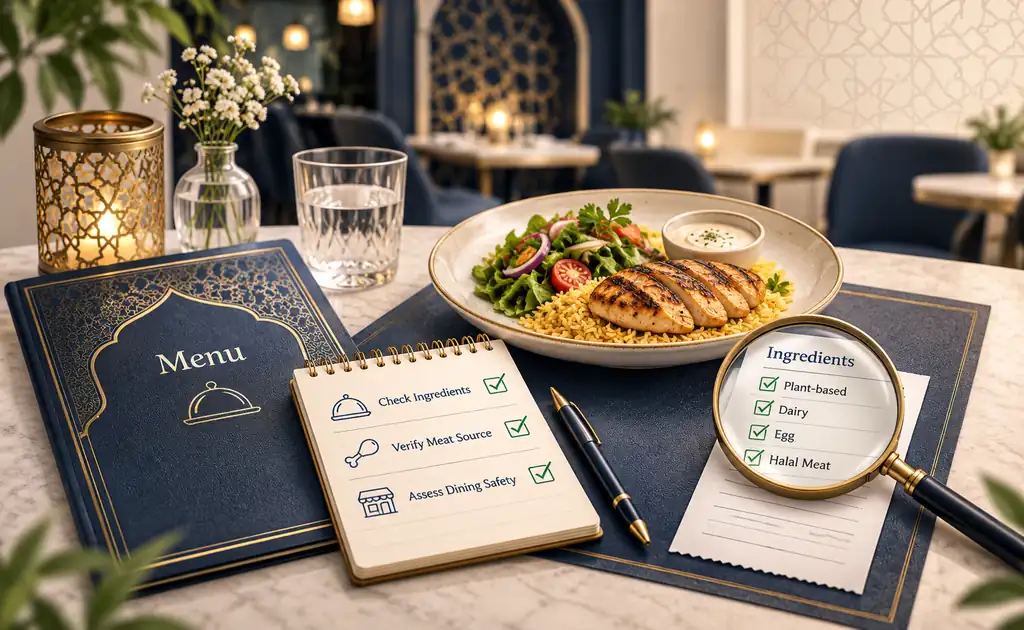
Guidance for eating halal at restaurants, fast-food chains, and cafes with contamination notes and menu breakdowns.
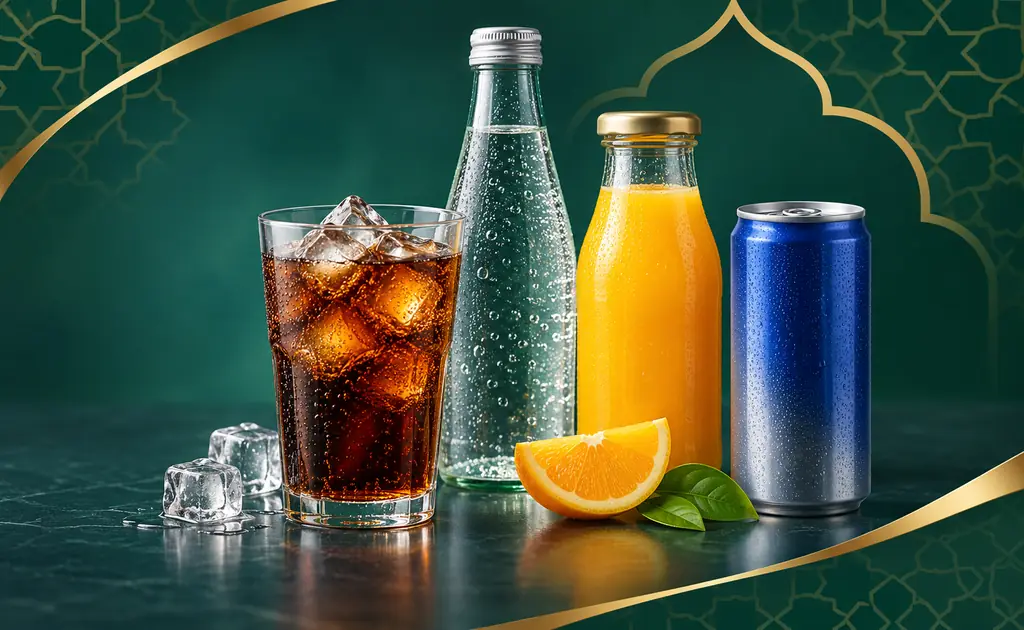
Halal rulings on soft drinks, energy drinks, and popular brands, checking alcohol-adjacent flavorings and clarifiers.
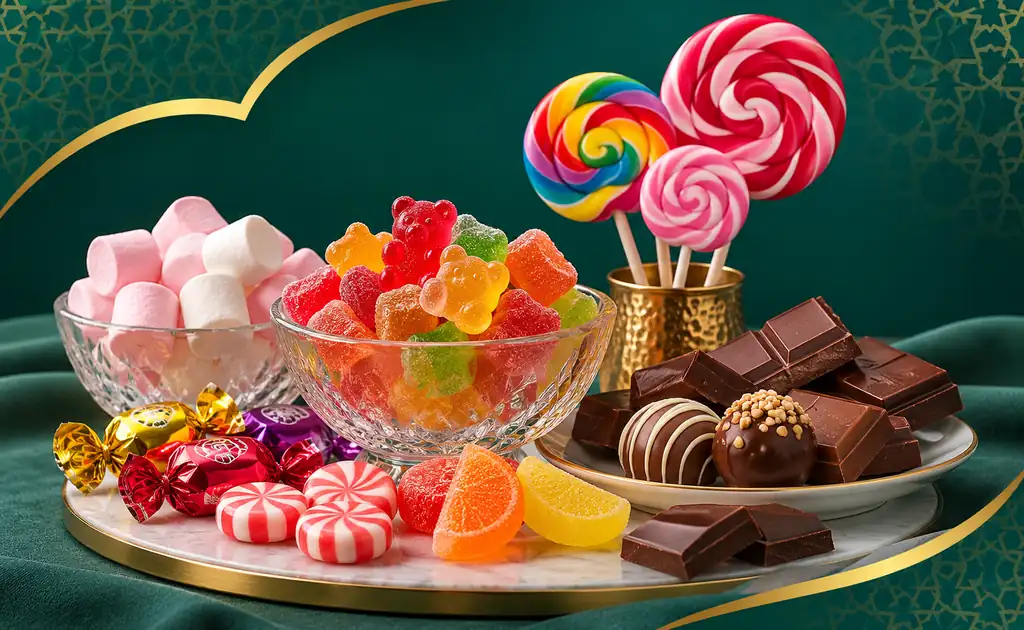
In-depth halal reviews of candy and sweets, focusing on gelatin sources, food coloring like carmine, and extracts.
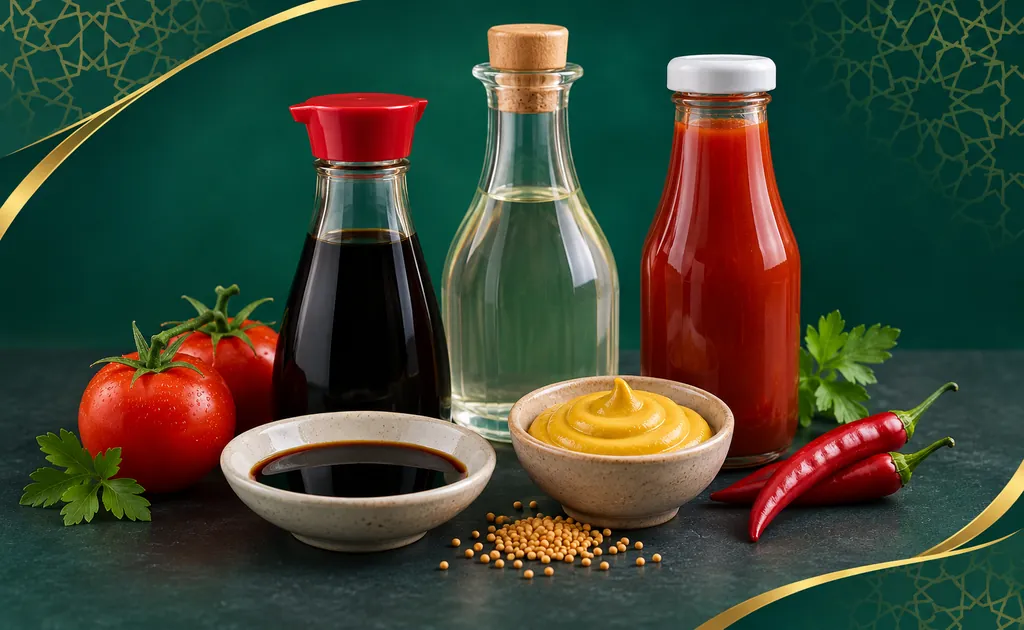
Halal analysis of sauces and condiments, including soy sauce fermentation, wine vinegars, and hidden alcohol content.
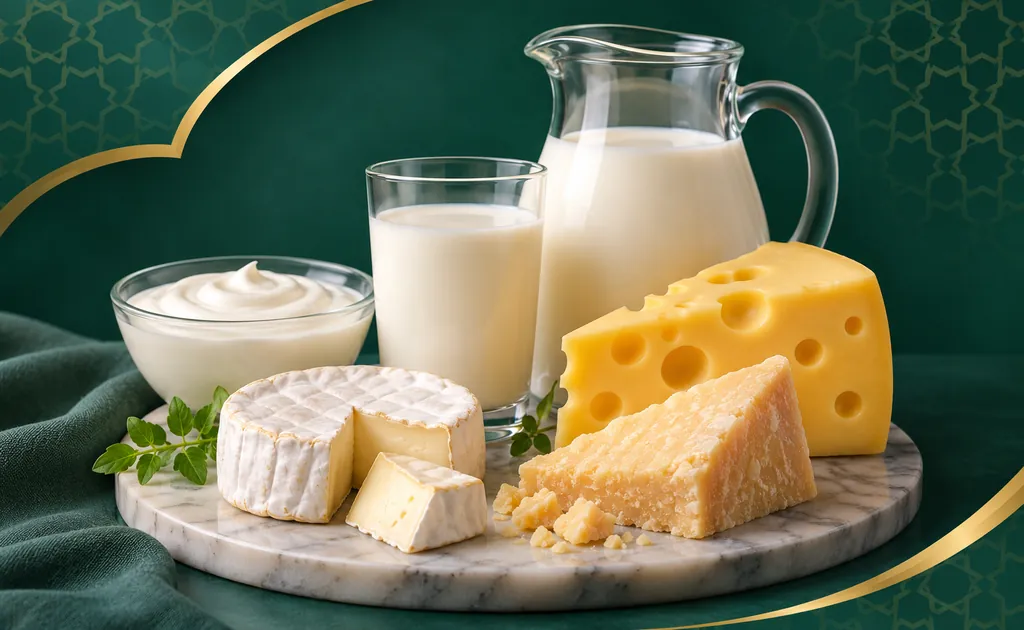
Halal rulings on cheese, yogurt, and dairy products with attention to rennet sources and slaughter methods.
Zabiha and halal slaughter guidance for beef, chicken, and lamb, including certification standards and identification.
Our Method
How We Reach a Ruling
Every guide follows the same three steps, so you can see exactly how each verdict is reached.
Trace the ingredient
What it is made from and how it is manufactured, using manufacturer data and food-science sources.
Check the product
Brand formulations, labels and halal certification where they exist.
Apply the fiqh
Evidence from the Quran, Sunnah and classical fiqh, with madhhab differences explained.
Latest Halal Rulings
New Here? Start With These


Mufti Eakub Sheik
Founder and Lead Researcher
Who's behind this guide
Research you can trace back to its sources
I am Mufti Eakub Sheik, founder and lead researcher of Global Halal Guide (WhatIsHalal.org). With specialized classical training in Hadith, Tafsir, and Ifta, I focus on bringing clear, scholarly-vetted halal rulings to Muslims worldwide.
Duas & Islamic Guidance

Frequently Asked Questions
What makes a food haram?
Food is haram when it contains pork or its by-products, intoxicating alcohol, blood, or meat not slaughtered according to Islamic law. Many modern ingredients sit in between and need a closer look at their source.
Is a halal certification logo enough?
A recognised certification is a strong sign, but standards vary between certifiers. Where it matters, our guides note what to check.
Which madhhab do your rulings follow?
Aqidah: Ahlus Sunnah wal Jama’ah (Creed of the Salaf)
Fiqh & Manhaj: Ahl al-Hadith wal-Athar (not a blind follower)
In matters of creed, I am a follower of Ahlus Sunnah wal Jama’ah, and in fiqh I follow the methodology (manhaj) of the Salaf. I am not a blind follower of anyone. I hold equal respect and regard for all the madhhabs, as well as for those who do not follow a madhhab and instead follow the Hadith and Sunnah directly.
Who writes the rulings on Global Halal Guide?
Mufti Eakub Sheik, founder of Global Halal Guide (WhatIsHalal.org), researches and reviews every ruling. He holds advanced training in Hadith, Tafsir, and Ifta, and checks each ingredient against the Quran, Sunnah, and classical fiqh before publishing.
Are your rulings fatwas?
Our rulings are general guidance based on scholarly research, not personal fatwas. They explain what the evidence says and where scholars differ. For a question about your own situation, use Ask the Mufti or consult a qualified scholar you trust.
How do you decide if an ingredient is halal?
Every guide follows three steps: we trace what the ingredient is made from, check how specific brands formulate and certify it, and then apply evidence from the Quran, Sunnah and classical fiqh, noting differences between the four madhhabs.
How can I ask about an ingredient you haven’t covered?
Send your question through Ask the Mufti. Questions that many readers ask are researched and published as new guides, so your question may help other Muslims, too.