Short Answer:
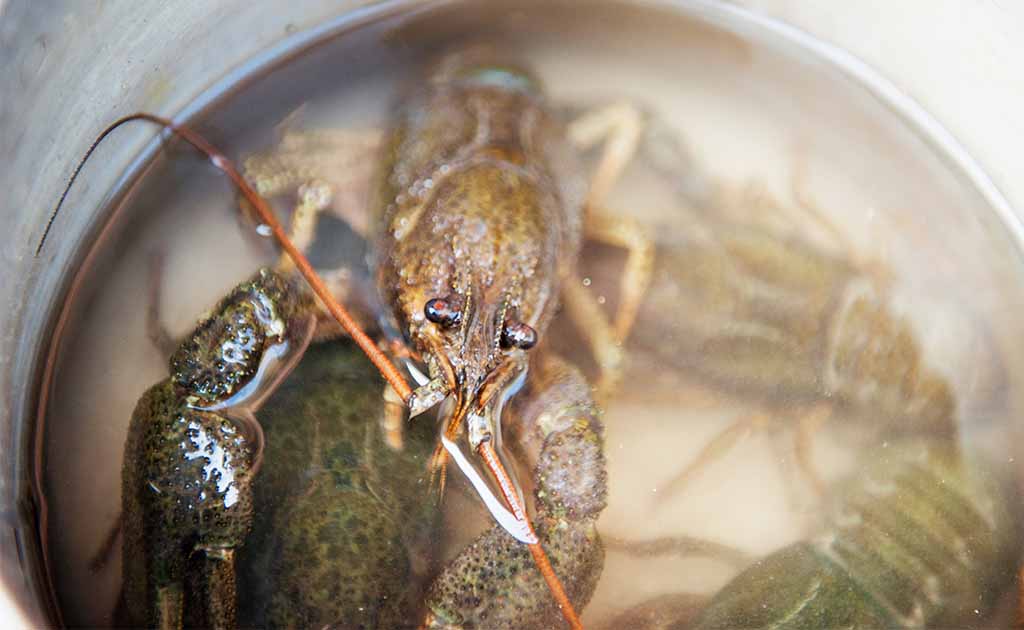
Is Lobster Halal? Yes — according to the majority of Islamic scholarship, lobster is halal. The Qur’an broadly permits seafood (“Lawful to you is the game of the sea and its food” – Al-Ma’idah 5:96), and this is reflected differently across the four madhhabs:
- Shafi’i: Halal
- Maliki: Halal
- Hanbali: Halal
- Hanafi: Traditionally not permitted, since this school limits sea food mainly to fish (though some modern Hanafi scholars now allow it)
So unless you specifically follow the classical Hanafi position, lobster is considered permissible to eat.
If you’ve ever sat in a seafood restaurant, stared at a bright red lobster, and quietly wondered, “Is lobster halal?”—you’re not alone.
This question comes up time and again, especially among Muslims who enjoy seafood but want to stay within Islamic dietary guidelines.
Seafood often sparks debate among Muslims, and lobster is a key part of that conversation.
The confusion is real. Some people say lobster is completely allowed, while others insist it is not permitted. With these mixed messages, it’s easy to feel uncertain. Whether dining out or buying ingredients, many people wonder: Is lobster halal?
To answer this question precisely, we must look beyond surface-level assumptions. We need to consider Qur’anic teachings, hadith, and the views of the main Islamic schools of thought. For many Muslims worldwide, the answer is yes—lobster is halal.
However, this answer deserves deeper exploration, since not all Islamic schools treat lobster in the same way. Differences in opinion stem from how each madhhab classifies “sea creatures.”
What the Qur’an Says About Seafood
When it comes to what’s allowed from the ocean, the Qur’an is surprisingly generous:
“Lawful to you is the game of the sea and its food…”
— Al-Ma’idah 5:96
This verse gives a general permission. It doesn’t list species. It doesn’t draw lines between fish, crustaceans, or shells. It simply says the food of the sea is lawful.
If you take this verse alone, the answer is simple:
Lobster is halal because it’s part of the sea’s food.
But Islamic rulings don’t stop at one verse — scholars apply methodology, categories, and interpretation.
Why Scholars Disagree: How Each Madhhab Views Sea Creatures
The Hanafi View (More Restrictive)
The Hanafi school makes a distinction between:
- Fish → halal
- Non-fish sea animals → questionable
Since lobster isn’t a fish, classical Hanafi scholars leaned toward saying it’s not permissible. Some said makruh, others said haram.
Why this stricter stance?
Because the Hanafi method uses analogy heavily, and they don’t automatically classify everything in the sea as edible.
But in recent years, many Hanafi scholars have reconsidered this based on Qur’anic evidence. So even within the Hanafi world, opinion isn’t uniform anymore.
Maliki, Shafi’i & Hanbali Schools: Clear Permission
These schools take the Qur’anic verse at face value:
If it lives in the sea, it is halal — unless proven harmful or poisonous.
This means:
- Fish → halal
- Crustaceans (lobster, crab, shrimp) → halal
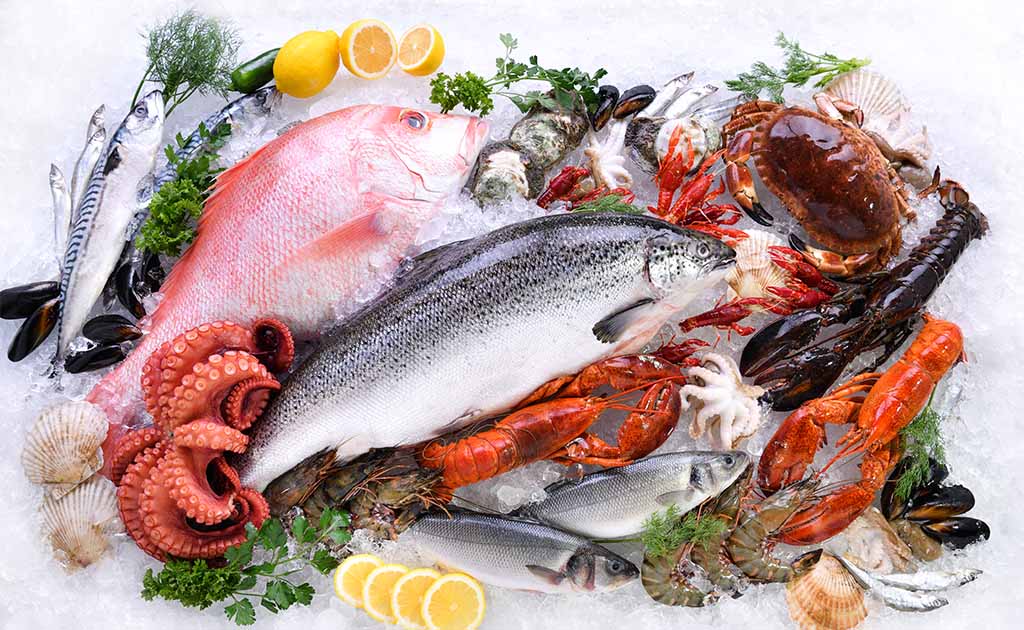
- Mollusks (octopus, squid) → halal
- Sea mammals (dolphin, whale) → halal
- Even dead marine animals → halal (unless toxic)
For them, lobster is unquestionably halal.
Animals Excluded From the General Permission of Sea Foods
While Islam generally allows seafood, scholars have identified a few water-related creatures that fall outside this broad permissibility. Their discussions are based on prophetic teachings, legal principles, and the nature of each animal.
1. Crocodiles
Most scholars hold that crocodiles are not permissible to eat. The reasoning is straightforward: crocodiles have fangs and hunt like predatory land animals. Even though they spend much of their time in the water, their characteristics resemble land predators more than marine creatures. Because of this, the ruling on predatory land animals takes precedence, making them impermissible.
2. Frogs
Frogs are also not allowed to be eaten. The Prophet ﷺ specifically forbade killing them, as mentioned in the hadith reported by ‘Abd al-Rahman ibn ‘Uthman. Islamic legal theory follows a simple principle here:
If you are not allowed to kill an animal, you are not allowed to eat it.
Since frogs are protected from being killed, consuming them is off-limits as well.
3. Sea Snakes
Some scholars include sea snakes among doubtful creatures, but the stronger view is that they are permissible. The reason: they are completely aquatic and do not live on land at all. Their ruling falls under the general Quranic permission:
“Lawful to you is the game of the sea and its food…” (Al-Mā’idah 5:96)
4. Otters and Turtles
Otters and turtles live both on land and in water. For such animals, scholars typically apply land-animal rules to be cautious. This means they should be slaughtered properly before consumption.
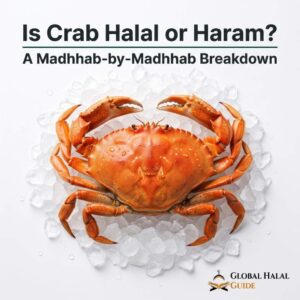
An exception is crabs. Even though they can survive on land, they do not have flowing blood, so they do not require slaughter.
Thinking Practically: What Is a Lobster, Really?
Islam’s dietary laws prioritize human well-being. Even if something originates from the sea, if it is known to be harmful, najis (impure), or poisonous, it is not permissible to eat it.
The Qur’an commands believers not to harm themselves or put themselves in danger:
“Do not kill yourselves…” (An-Nisā’ 4:29)
“Do not throw yourselves into destruction…” (Al-Baqarah 2:195)
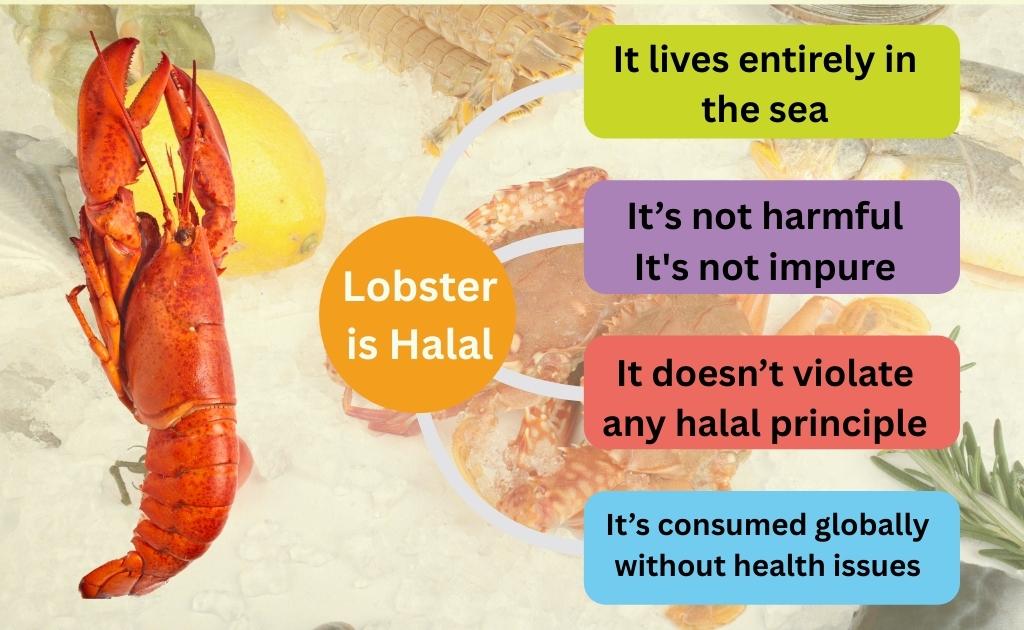
If we look at lobster without religious labels:
- It lives entirely in the sea
- It’s not harmful
- It doesn’t violate any halal principle
- It’s consumed globally without health issues
- It’s not najis (impure) or unclean
Nothing about lobster contradicts Islamic dietary laws.
The Hadith Perspective: What the Prophet (PBUH) Said About Seafood
The Prophet (PBUH) confirmed permissibility broadly:
1. “Its water is pure and its dead are lawful.”— Sunan Abu Dawud
This hadith is a direct endorsement of seafood permissibility — including sea animals that die naturally. It means sea creatures are pure and their dead are permissible to eat.
This is important because it shows:
- Sea creatures don’t require slaughter
- Even unusual sea animals were considered halal
- The Prophet didn’t limit seafood to fish only
This further supports the majority view that lobster is halal.
2. The Expedition Hadith (The Giant Fish Story)
The Prophet’s companions ate a massive dead sea creature (likely a whale) during hardship. The Prophet (PBUH) approved their consumption.
This is crucial because:
- The creature was a non-fish species
- It was a dead carcass
- The Prophet still approved it
Thus, the hadith evidence reinforces that lobster and similar species fall under halal.
So Why Are People Still Unsure?
Mostly because:
- Many South Asian Muslims follow Hanafi fiqh
Bangladesh, Pakistan, India — these regions historically avoided non-fish seafood. - Cultural unfamiliarity
Lobster wasn’t a common food in older generations, so people never formed clear opinions. - Mixed rulings from scholars
Some hold classical positions; others adopt modern interpretations.
This creates the “halal or not?” confusion that many people experience today.
Modern Fatwa Bodies: Most Say the lobster is Halal
As global cuisines became more accessible, scholars revisited the evidence. Most major research councils today — including many Hanafi-influenced ones — say:
👉 Lobster is halal.
The Qur’anic verse permitting all seafood is strong and decisive. Modern fatwa and biological classification also support the ruling.
A Side Question: What About Boiling Lobsters Alive?
This isn’t about halal vs haram — it’s about compassion.
Islam encourages minimizing suffering, even for animals that don’t require slaughter.
If possible:
This makes the process more humane, but it doesn’t affect the halal ruling.
Final Answer: Is Lobster Halal?
Here’s the ultimate verdict: Yes — lobster is halal according to the majority of Islamic scholarship.
Madhhab Breakdown:
If you don’t strictly follow Hanafi fiqh, you can eat lobster with complete confidence. If you do follow Hanafi fiqh, both options exist: follow the classical view or the modern permissive view.
Both are valid depending on your comfort level.
FAQ: Let's be clear about Lobster