Is Halal Pork Real? Why It Can Never Exist in Islam

Subject: Examination of “halal-certified pork” labeling incidents and halal status determination of pork based on Islamic jurisprudence

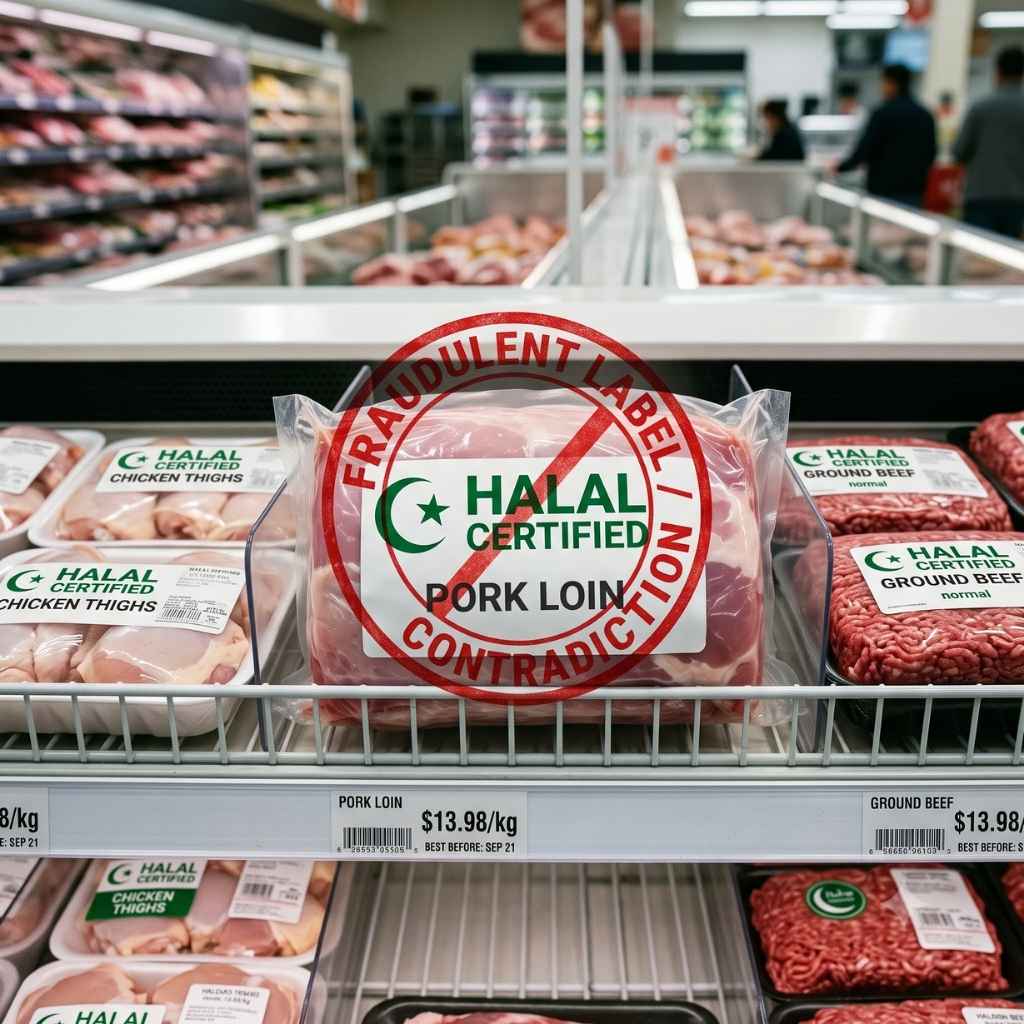
Fraud Halal Pork Certification/Branding

Quick Answer

No, halal pork does not exist. Pork is haram (forbidden) in Islam under all circumstances — no method of slaughter, certification, or processing can change that status. Any product labeled “halal pork” is either a labeling error, fraud, or a misunderstanding of what “halal” means.

Table of Contents

Why Pork Is Forbidden in Islam

The prohibition comes directly from the Quran, which names pig meat as forbidden in four separate verses, alongside carrion, blood, and animals slaughtered in a name other than God’s. Unlike some dietary restrictions that were later relaxed, the ruling on pork is repeated consistently across the Quran with no exception clause attached — scholars across all major schools of Islamic jurisprudence (Hanafi, Maliki, Shafi’i, Hanbali) agree unanimously on this point. There is no sect or school within mainstream Islam that permits pork consumption.

Halal Alternatives

ABC Brand

A product of Indonesia that is halal-certified.

Ayam Brand:

A Malaysian brand with JAKIM certification.

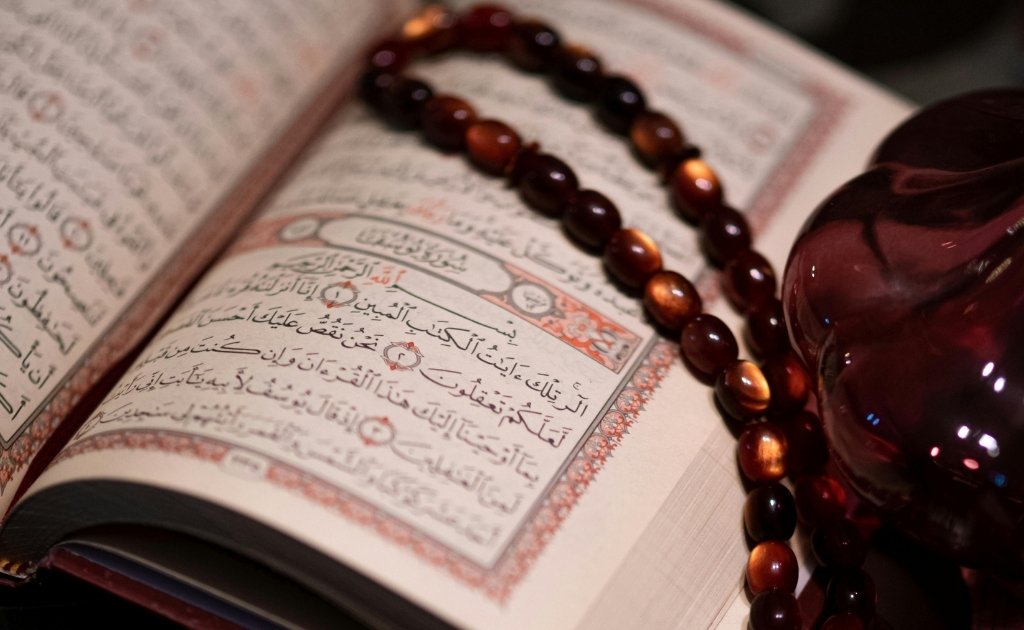
What Quran and Hadith Say About Pork?

Al Quran

The Quran clearly states:

“He hath forbidden you only carrion, and blood, and swineflesh, and that which hath been immolated to (the name of) any other than Allah. But he who is driven by necessity, neither craving nor transgressing, it is no sin for him. Lo! Allah is Forgiving, Merciful.”(Surah Al-Baqarah 2:173)

 “Forbidden unto you (for food) are carrion and blood and swineflesh, and that which hath been dedicated unto any other than Allah, and the strangled, and the dead through beating, and the dead through falling from a height, and that which hath been killed by (the goring of) horns, and the devoured of wild beasts, saving that which ye make lawful (by the death-stroke), and that which hath been immolated unto idols.”(Surah Al-Ma’idah 5:3)

The same verse later adds: “This day have I perfected your religion for you and completed My favour unto you, and have chosen for you as religion al-Islam.”

“Say: I find not in that which is revealed unto me aught prohibited to an eater that he eat thereof, except it be carrion, or blood poured forth, or swineflesh — for that verily is foul — or the abomination which was immolated to the name of other than Allah. But whoso is compelled (thereto), neither craving nor transgressing, (for him) lo! thy Lord is Forgiving, Merciful.”(Surah Al-An’am 6:145)

 “He hath forbidden for you only carrion and blood and swineflesh and that which hath been immolated in the name of any other than Allah; but he who is driven thereto, neither craving nor transgressing, lo! then Allah is Forgiving, Merciful.”(Surah An-Nahl 16:115)

Because the same core prohibition — carrion, blood, pork, and improperly dedicated meat — is repeated across four separate chapters (two Meccan, two Medinan) with almost identical wording, scholars treat this as one of the clearest and most settled rulings in the Quran, not open to reinterpretation.

What the hadith adds.

A hadith narrated by Jabir ibn Abdullah and recorded in Sahih al-Bukhari (No. 2236) states: “I heard Allah’s Messenger (ﷺ), in the year of the Conquest of Mecca, saying, ‘Allah and His Apostle made illegal the trade of alcohol, dead animals, pigs and idols.’ The people asked, ‘O Allah’s Apostle! What about the fat of dead animals, for it was used for greasing the boats and the hides, and people use it for lights?’ He said, ‘No, it is illegal.'”  (Sahih al-Bukhari2236)

This hadith is significant because it extends the prohibition beyond eating: even selling, trading, or profiting from pork or pork by-products is treated as impermissible — not just consuming it. That’s part of why halal-certification bodies react so strongly whenever pork enters a supply chain, as in the cases below.

The reasoning Islamic scholars give isn’t only textual. Traditional commentary points to the pig’s habits (it’s not a selective grazer and will eat carrion or waste) as a symbol of impurity (najis), while more modern writers add that pork carries a genuinely higher risk of certain foodborne illnesses — trichinosis and tapeworm infection among them — when undercooked. But the religious ruling itself doesn’t depend on the science; it’s treated as absolute regardless of hygiene, farming method, or how the animal was raised.

Can Slaughter or Processing Ever Make Pork Halal?

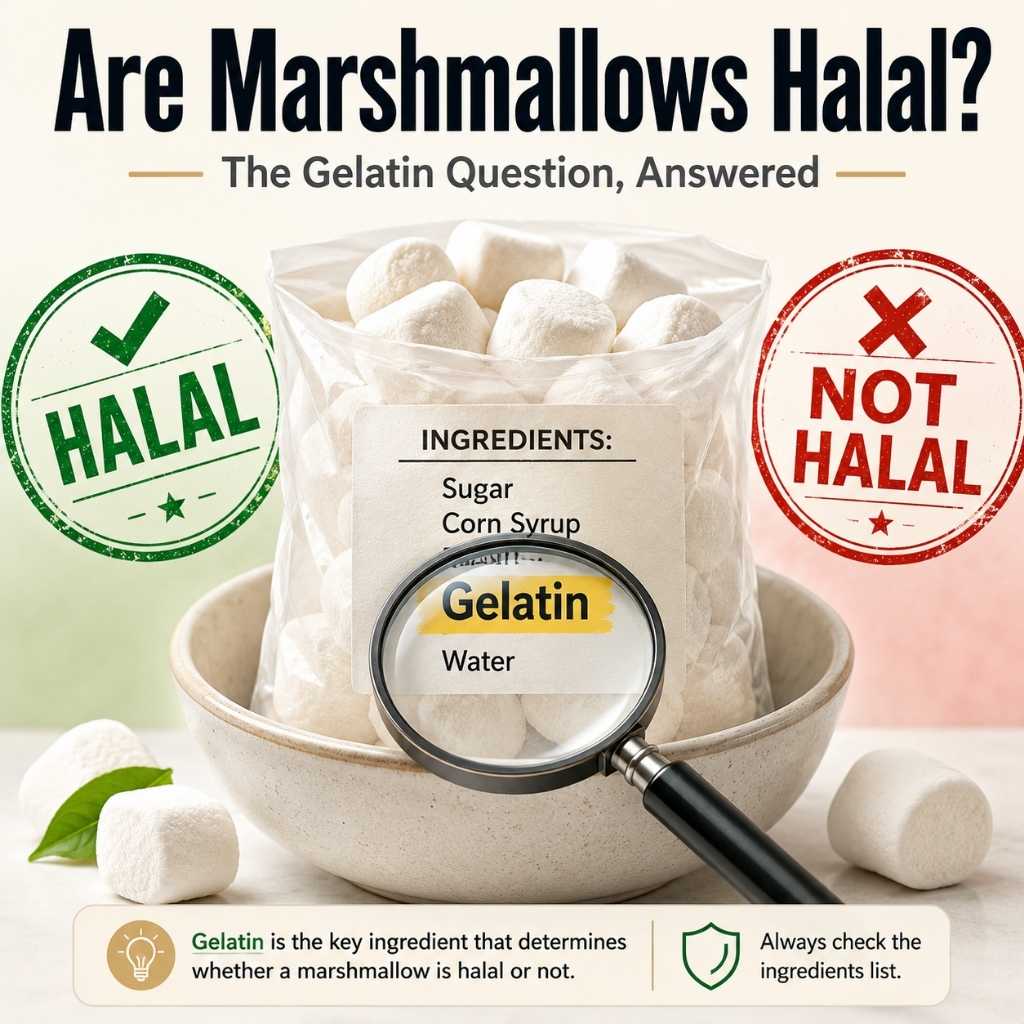
No. In Islamic law, halal slaughter (dhabiha) is a process that applies to permissible animals — it doesn’t change what species is permissible in the first place. There’s a jurisprudential concept called istihalah (chemical transformation), where a haram substance can, in narrow cases, become permissible if its molecular composition is completely and irreversibly changed into something else (this is the debate around gelatin derived from pork bones, for instance, but it’s not permissible). But whole pork meat itself never undergoes this transformation — it stays pork. That’s the “impossibility” at the center of the phrase “halal pork”: the two words describe a contradiction, not a real product.

When "Halal Pork" Has Actually Made Headlines

The phrase shows up online less as a theological debate and more because of real labeling incidents that went viral for being so obviously contradictory.

The Philadelphia grocery store mix-up (2019). A Jetro Cash & Carry store in Philadelphia published a sales catalog advertising ground pork from a company called Pork King with a “halal” stamp — alongside other genuinely halal-appropriate cuts like lamb. It’s unclear whether this was a printing error or a mislabeling further up the supply chain, but the contradiction (pork literally cannot be halal) is what made the story spread, prompting coverage from outlets like Daily Sabah.

The Orion Cold Storage scandal, South Africa (2011). A far more serious case involved Cape Town-based meat importer Orion Cold Storage, which was accused of relabeling pork imported from Belgium and Ireland — along with kangaroo meat from Australia and water buffalo meat from India — as halal, without the approval of South Africa’s Muslim Judicial Council (MJC). The MJC suspended dealings with Orion, and rival halal industry bodies obtained a court interdict to stop distribution. Orion partly acknowledged the mislabeling but claimed sabotage by competitors who allegedly bribed employees to swap products before delivery. The scandal caused a major outcry among South African Muslims and led to calls for tighter halal-certification oversight across the industry.

Both cases point to the same underlying issue: “halal pork” incidents are almost always supply-chain fraud or labeling failures, not a genuine religious reinterpretation. They’re useful case studies precisely because they show what happens when the halal certification system breaks down — not because pork’s status is actually in question.

Frequently Asked Questions

1. Can Muslims eat halal pigs, or pigs raised in a "clean" or organic way?

No. The prohibition applies to the species itself, regardless of how the animal was raised, fed, or slaughtered. Organic, free-range, or "ethically farmed" pork is still pork.

2. Can pork ever be halal-certified by a legitimate authority?

No recognized halal certification body — anywhere in the world — certifies pork. If a product carries both a "halal" label and lists pork as an ingredient, that's a certification error or outright fraud, not a legitimate ruling.

3. Why is pork halal (permitted) in Christianity but not Islam?

Christianity doesn't have a blanket dietary prohibition tied to Mosaic law in the way Judaism and Islam do; most Christian traditions consider Old Testament food laws, including the pork restriction, to have been superseded in the New Testament. Judaism, notably, shares Islam's pork prohibition — both trace the restriction to a common Abrahamic dietary tradition, even though the two religions developed separate legal frameworks for it.

4. Why don't Muslims eat pork, in simple terms?

Because the Quran explicitly names it as forbidden, and Islamic scholarship treats that instruction as a fixed religious obligation, not a health guideline that can be revisited with modern farming or cooking methods.

5. What about other foods that get confused with pork, like crab or shellfish?

Shellfish, including crab, is a separate — and genuinely debated — category. The Hanafi school generally considers most shellfish other than fish to be non-halal, while the Maliki, Shafi'i, and Hanbali schools generally permit it. That's a real scholarly disagreement, unlike pork, where there's no such divide. So a dish like crab rangoon can be entirely halal-compliant on the pork question (assuming no pork or lard in the wrapper or filling) while still depending on which school of thought the diner follows for the crab itself.

The Health Angle, Briefly

Undercooked or improperly handled pork does carry documented risks, most notably trichinosis (Trichinella) and tapeworm infection (Taenia solium). But this is a secondary argument in Islamic scholarship, not the basis for the prohibition — the ruling stands regardless of how the meat is prepared.

The Bottom Line

“Halal pork” is a contradiction in terms, and every real-world instance of the phrase — from a Philadelphia grocery catalog to a South African meat-importer scandal — traces back to a labeling failure or fraud, not a legitimate religious exception. If you see pork carrying a halal label anywhere, the safest assumption is that something has gone wrong in the certification chain, and it’s worth reporting to the relevant halal authority rather than trusting the label.

Are Doritos Nacho cheese Halal?

Are Doritos Nacho Cheese Halal?

Doritos’ halal status isn’t a simple yes or no — it changes depending on the flavor and which country your bag came from. Here’s a clear, no-nonsense breakdown of what to check before you buy, flavor by flavor and country by country.

Read More »

Research & Analysis by: